The Nigerian Hustle: Are We Productive or Just Exhausted?
Nigeria’s hustle culture celebrates hard work, but are we becoming more productive or simply more exhausted?

In Nigeria, being busy has almost become a personality trait. Everyone is hustling. Someone is running a business, holding down a nine-to-five, managing a side gig, learning a new skill, or searching for the next opportunity that might finally change their lives. Even rest feels like a luxury reserved for people who have already made it. But somewhere between the endless grind and the determination to succeed, an uncomfortable question emerges: are we actually becoming more productive, or are we simply getting better at being exhausted?
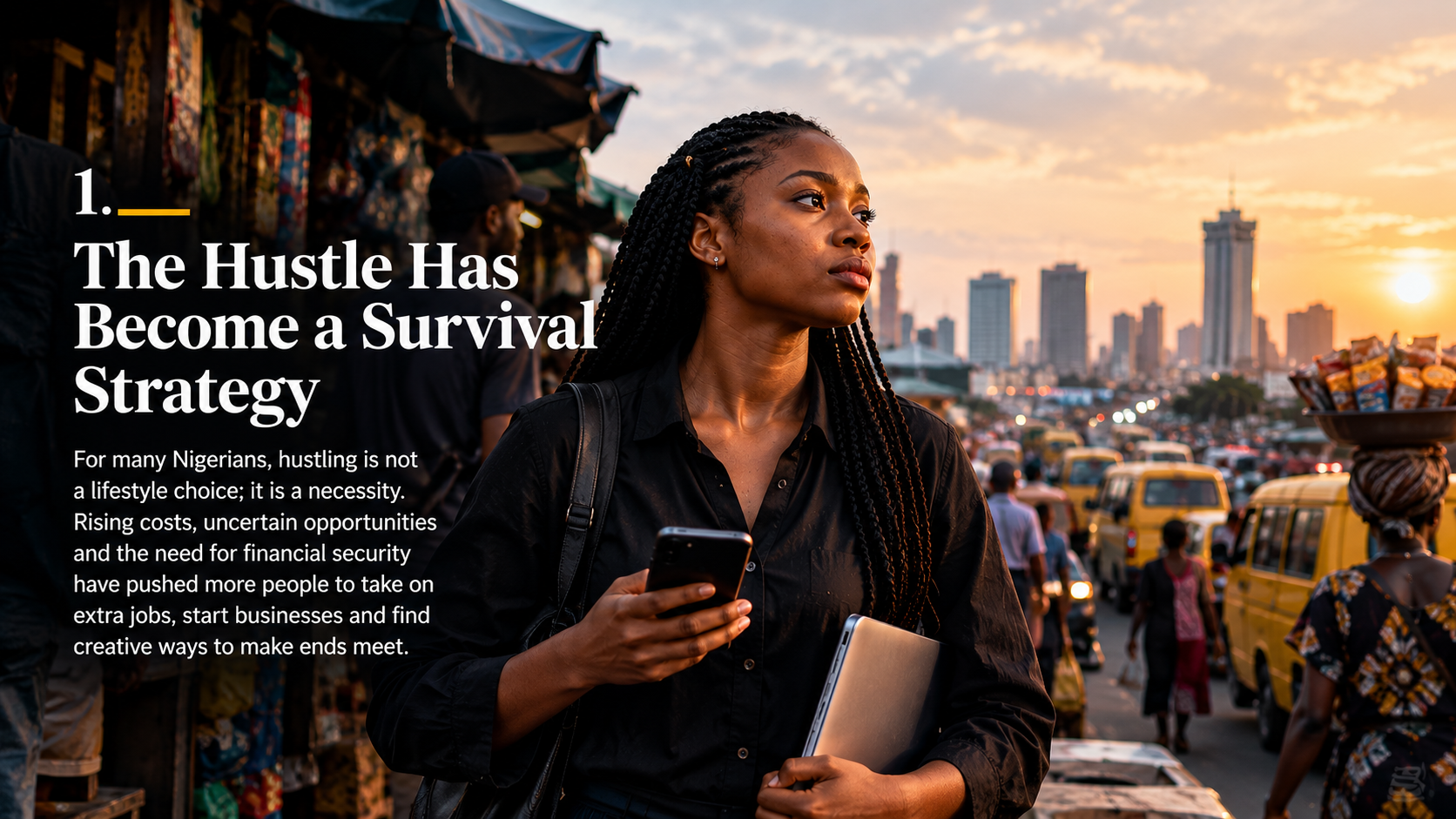
The Hustle Has Become a Survival Strategy
For many Nigerians, hustling is not a lifestyle choice; it is a necessity. The cost of living continues to put pressure on household budgets, and a single source of income may no longer provide the security it once did. People take on extra jobs, sell products online, learn digital skills, and turn their hobbies into businesses because standing still can feel like falling behind. There is something admirable about this resilience. Nigerians have repeatedly demonstrated an extraordinary ability to adapt, innovate, and find opportunities in difficult circumstances. Yet survival-driven hustle comes at a cost. When working harder becomes the only available response to rising expenses and uncertain opportunities, exhaustion can become the price of simply staying afloat.
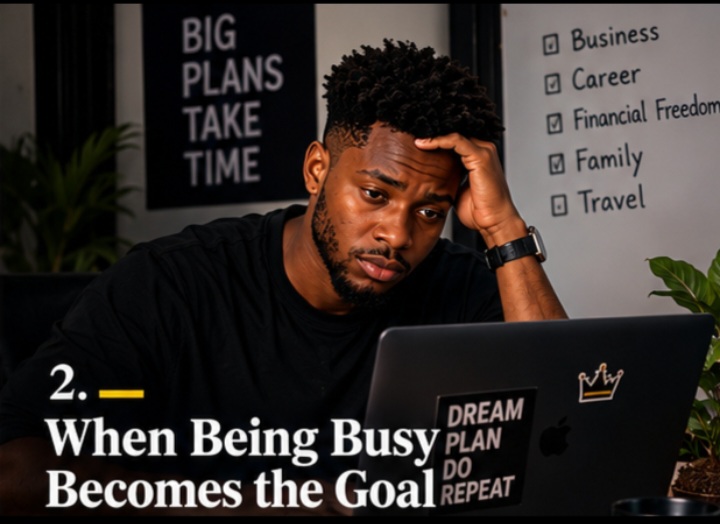
When Being Busy Becomes the Goal
Somewhere along the way, we began confusing activity with achievement. A person who spends fourteen hours working may be praised for their dedication, while someone who finishes their tasks in six hours and takes the evening off may be accused of lacking ambition. Social media makes the situation worse, constantly displaying entrepreneurs, career professionals, and content creators who appear to be building empires before breakfast. The pressure to keep up can make ordinary progress feel inadequate. We fill our schedules, answer messages immediately, accept commitments we cannot comfortably manage, and feel guilty whenever we have nothing urgent to do. The thing though is this; a packed calendar is not proof of a successful life. Sometimes, it is simply evidence that we have not learned to distinguish what matters from what merely demands our attention.

The Hidden Cost of the Grind
The consequences of relentless hustling are not always immediately visible. They can appear as chronic fatigue, strained relationships, declining concentration, poor sleep, decline in health, and the feeling that life has become an endless list of obligations. Creativity suffers when the mind never gets the opportunity to rest. Decisions become harder when every day is spent rushing from one responsibility to another. Even the money we work so hard to earn can lose some of its value when we have neither the time nor the energy to enjoy what it provides. There is an irony in working tirelessly to build a better life while becoming too depleted to experience it. Ambition should expand our possibilities, not gradually reduce our lives to work, worry, and recovery.
Perhaps We Need to Rethink Productivity
True productivity is not about doing everything; it is about making meaningful progress with the resources available to us. For individuals, that might mean prioritising tasks that generate the greatest results, developing skills that create better opportunities, setting realistic boundaries, and recognising when rest is necessary. For businesses and employers, it means creating conditions where people can do good work without sacrificing their well-being.
However, it would be unfair to tell Nigerians to manage their time better as though poor planning were the only problem. No productivity technique can fully compensate for inadequate wages, non-existent or limited opportunities, unreliable infrastructure, or the asphyxiating cost of basic living. Individual discipline matters, but so do the economic and social conditions in which people are expected to thrive.
The Goal Should Be Progress, Not Perpetual Exhaustion
There is nothing wrong with ambition, and there is certainly nothing wrong with working hard for a better future. For many people, the hustle represents hope, independence, and the determination to create opportunities where few seem to exist. The problem begins when exhaustion becomes a badge of honour and rest is treated as evidence of laziness. We should be able to celebrate hard work without romanticising burnout, encourage ambition without demanding self-neglect, and pursue success without believing that suffering is proof of seriousness. Perhaps the real measure of productivity is not how much we can squeeze out of ourselves in a single day, but how consistently we can make progress without destroying the very people we are trying to build a better life for. After all, if the hustle is supposed to lead us somewhere better, shouldn't we occasionally stop to ask whether we are actually getting there?
Comments (0)
No comments yet. Be the first to share your thoughts!