Beyond the Runway: Lagos Fashion Week 2026 and the Quiet Rise of African Fashion Power
Lagos Fashion Week 2026 spotlighted the growing influence and global power of African fashion.
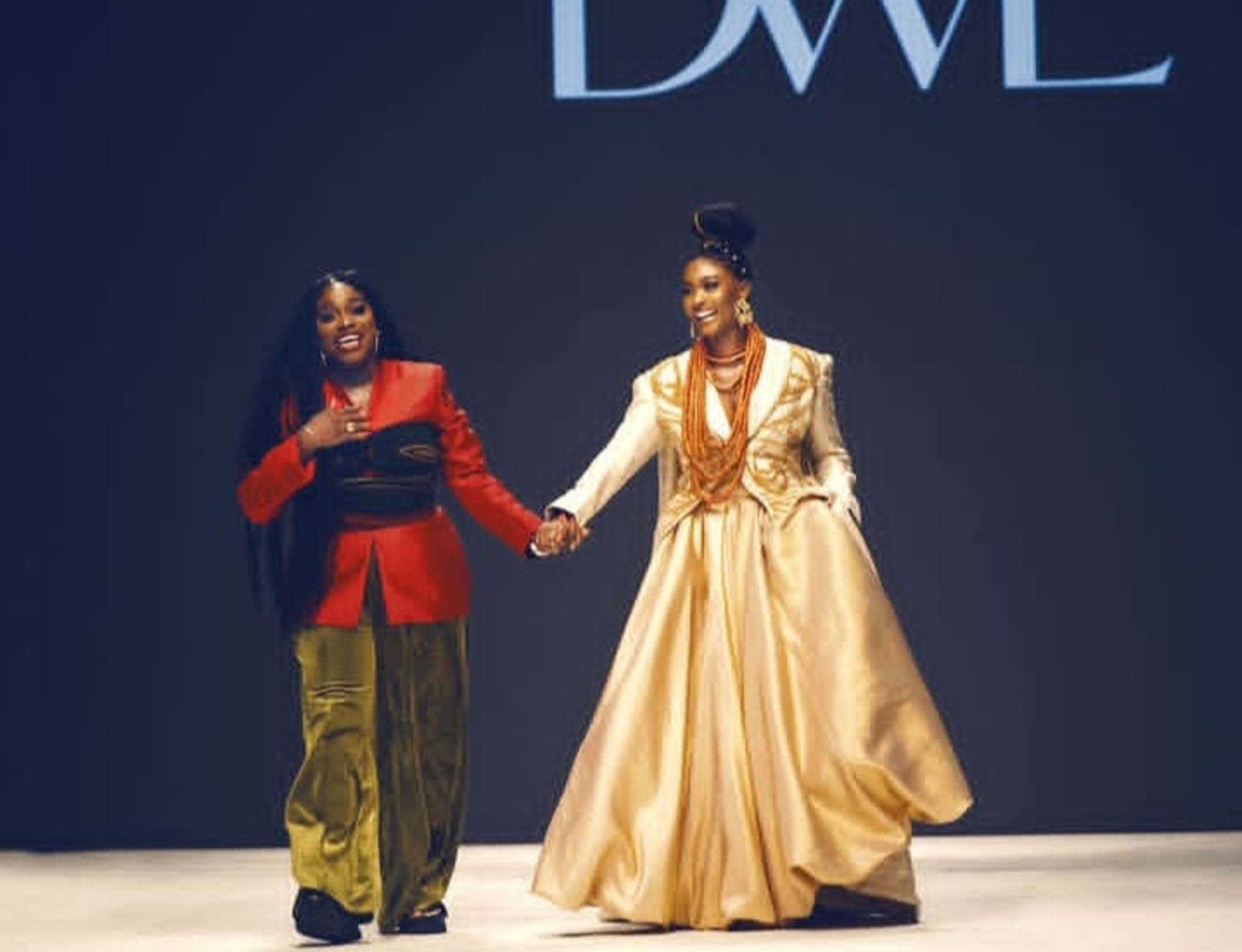
In Lagos, fashion has long been more than clothing. It is cultural currency, a language of status, ingenuity and unapologetic presence. During Heineken Lagos Fashion Week 2026, held from 28 October to 1 November under the theme CRAFTED: Heritage. Innovation. Circular Futures., that currency was spent freely. Guests arrived in looks that announced themselves before the wearer spoke: sculptural headpieces, richly textured wrappers reworked into evening drama, sharp tailoring softened by local cloth. The social theatre outside the tents at the Federal Palace Hotel was as revealing as anything on the runway. Celebrities and style figures moved through the week with the particular swagger Lagos demands, turning attendance itself into performance.
Lagos Fashion Week 2026 - Notable Moments
Among the more memorable moments was Ghanaian fashion personality Nana Akua Addo closing Sevon Dejana’s presentation in a wedding gown, an act that felt both personal and theatrical. Elsewhere, designer Ugo Monye’s show included a surprise runway appearance that drew attention, though the real focus remained the clothes themselves.
It didn't end there, among other public figures who showed up and showed out were Hollywood actress, Yaya DaCosta who wore both Weizdhurm Franklyn and Cynthia Abila, actress Osas Ighodaro, who closed the DWL presentation in a striking heritage-inspired look, and Chika Uwazie, the Afropolitan podcast co-host and entrepreneur, who used the week to host industry conversations around investment in African fashion, to mention a few. Their presence, alongside other style figures who chose Nigerian and African labels for the week, underscored a growing pattern: support that goes beyond red-carpet moments into consistent, visible advocacy for the designers themselves.
What distinguished this edition was not spectacle alone, but the seriousness with which designers treated craft as strategy. Heritage was no longer decorative reference; it was the foundation of contemporary relevance.
Kilentar: Craftsmanship on Its Own Terms
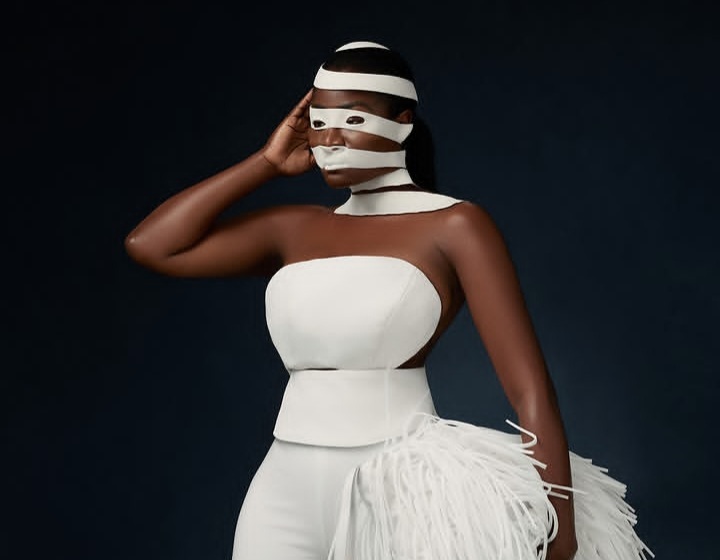
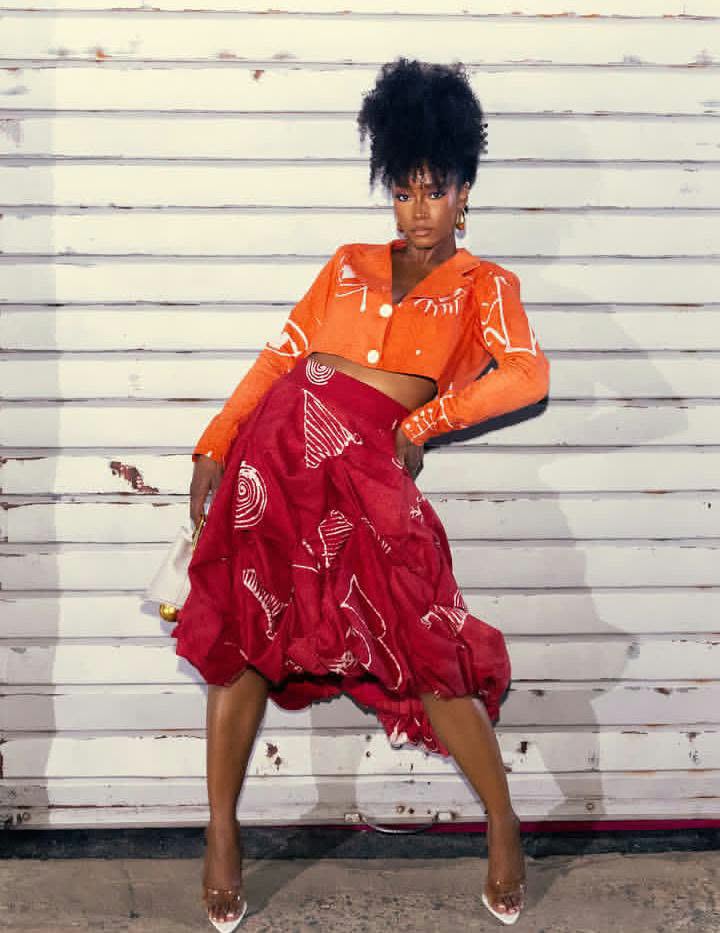
Kilentar, under Michelle Adepoju, chose intimacy over the main tents. Its invitation-only offsite presentation allowed the clothes; plaid dresses, swimwear revisiting signature fringing, and pieces rooted in West African textile techniques, to be examined closely. Adepoju continues to treat traditional craftsmanship as the starting point rather than an embellishment, creating womenswear that feels both considered and wearable. The decision to present away from the larger stage signalled confidence in the work’s ability to hold attention on its own terms.
Hertunba: Reimagining Indigenous Fashion with Authority
Hertunba opened the main runway programme with equal assurance. Florentina Agu’s collection advanced the brand’s established language of indigenous fabrics, sculptural construction and empowered silhouettes. Bold stripes, layered asymmetric forms and a controlled sense of drama filled the space. Agu’s work has always sought to give women clothes that feel powerful without sacrificing softness or cultural memory. This season confirmed Hertunba’s place among the designers shaping how Nigerian fashion is seen both at home and abroad.
Ugo Monye: The Evolution of Nigerian Menswear
Ugo Monye’s menswear presentation closed one of the final runway evenings with refined authority. The collection balanced traditional references with contemporary ease; fluid volumes, precise tailoring and a quiet luxury that has become the designer’s signature. The clothes did the talking. That a high-profile guest, such as Lagos State governor, Babajide Sanwo-Olu walked in one of the looks ( a regal off-white caftan-kimono hybrid), only underscored the growing visibility of Nigerian menswear, but the credit belonged firmly to Monye’s consistent evolution since establishing the label.
A Pan-African Conversation: Christie Brown and Elie Kuame
Among many, two non-Nigerian designers brought distinctive voices that enriched the continental conversation. Christie Brown, the Ghanaian house founded by Aisha Ayensu, returned to the Lagos runway after an eight-year absence. The collection offered rich textures, bold prints and sculptural silhouettes, combining draped forms, intricate cutwork and sharp tailoring. Its presence felt like a reconnection, affirming the ongoing dialogue between Accra and Lagos. Elie Kuame of Côte d’Ivoire presented Magnétique Alchimie, a Spring/Summer 2027 collection marked by elegant tailoring, fluid volumes and a confident sense of presence. The work carried the particular polish of Abidjan’s fashion scene while speaking fluently to a pan-African audience.
The Wider Fashion Landscape: Established Names and Emerging Voices
Around these highlights moved other important names. Andrea Iyamah opened her studio for an intimate presentation. Lisa Folawiyo closed the week with an offsite show that reminded everyone of her enduring influence. Designers including Emmy Kasbit, Fruché, Ejiro Amos Tafiri and others contributed to a schedule that felt both expansive and purposeful.
Beyond the Old Hierarchy: The Case for African Fashion Excellence
The strongest collections this season also made a quieter but important claim: that Nigerian designers can stand comfortably alongside work from more established international houses. The level of finish, conceptual clarity and commercial ambition on display left little room for the old hierarchy of “African fashion” as something secondary. Equally significant was the material intelligence. Many of the designers are working with recycled and naturally sourced textiles; upcycled vintage wrappers, deadstock fabrics, indigenous weaves, not as a seasonal talking point, but as a practical, ongoing part of how they produce. In a week themed around circular futures, this felt less like trend-chasing and more like the logical next step of a craft-led industry.
From Seasonal Showcase to Sustainable Fashion Infrastructure
Taken together, the week illustrated a shift. Nigerian and African designers are no longer primarily seeking validation from external capitals. They are building systems of production, storytelling and commercial viability, that treat heritage as intellectual property and circularity as practical necessity rather than trend. Lagos Fashion Week itself has matured into more than a seasonal showcase. It functions as infrastructure: a place where buyers, media and creatives gather with increasing seriousness, and where the conversation has moved from “what Africa can offer the world” to “how African fashion industries sustain themselves and expand on their own terms.”
The Future of African Fashion: Turning Creative Strength into Lasting Influence
The future will be determined less by individual star moments than by the ability of designers and platforms to convert creative strength into durable businesses, skilled employment and cultural influence that outlasts any single season. In that regard, Lagos Fashion Week 2026 felt less like a temporary celebration and more like evidence of steady, intentional growth. The clothes were beautiful. The ambition behind them was clearer still.
Comments (0)
No comments yet. Be the first to share your thoughts!